
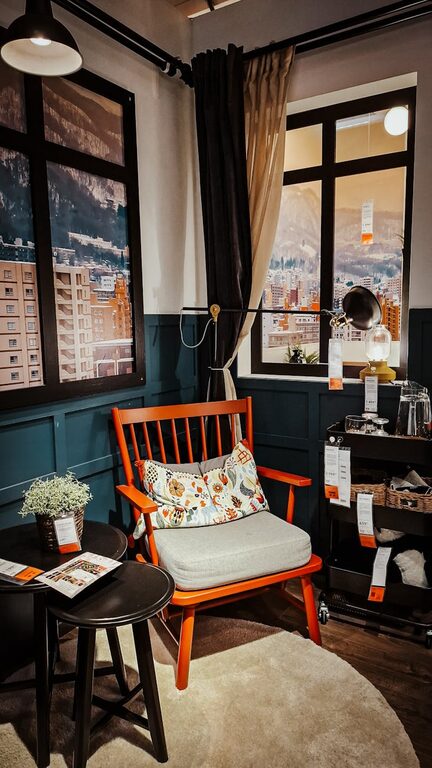
A dark room can feel cramped, gloomy, and uninviting. Whether it’s a living room, bedroom, or home office, insufficient light affects mood and functionality. The good news? You don’t need a major renovation or expensive equipment to brighten up these spaces. With a few smart ideas and small tweaks, you can transform a dim room into a lively, welcoming area in no time.
In this post, we’ll explore quick, practical ways to infuse light and energy into a dark room, including lighting tips, color choices, furniture arrangement, and creative décor ideas.
Why a Bright Room Matters
Before diving into solutions, it’s worth considering why brightening a dark room can improve your home life:
– Boosts mood and energy: Natural and artificial light can make you feel happier and more alert.
– Enhances usability: Bright spaces improve visibility and comfort for reading, working, or relaxing.
– Creates a welcoming atmosphere: Guests feel more comfortable and relaxed in a well-lit environment.
– Makes rooms appear larger: Light reflects off surfaces, visually expanding the space.
Now let’s look at effective ways to bring more light into your dark room.
Maximize Natural Light
Harnessing natural light is the easiest and most cost-effective way to brighten any room.
1. Clear Windows and Remove Heavy Drapes
Heavy curtains and dusty windows block sunlight. Replace thick drapes with sheer curtains or blinds that open completely during the day. Also, clean windows regularly to let in maximum daylight.
2. Use Mirrors Strategically
Mirrors reflect light and create the illusion of space. Place a large mirror opposite or adjacent to a window to bounce natural light around the room. Consider mirrored furniture or smaller decorative mirrors on walls.
3. Trim Outdoor Plants
If trees or bushes block window light, trim them back to allow more sunshine into your room.
Optimize Artificial Lighting
When natural light is limited, layering artificial light sources is key.
1. Add Multiple Light Sources
Incorporate three types of lighting for balance:
– Ambient lighting: Overhead fixtures or ceiling lights for overall illumination.
– Task lighting: Desk lamps, reading lights, or under-cabinet lighting for focused activities.
– Accent lighting: Floor lamps, wall sconces, or string lights to add warmth and highlight decor.
2. Choose Light Bulbs with High Lumens and Warm Colors
Select bulbs with a high lumen output for brightness and a color temperature around 2700K to 3000K for a warm, inviting glow. LED bulbs are energy-efficient and long-lasting.
3. Use Reflective Lampshades
Opt for white or light-colored lampshades that help disperse light rather than absorb it.
Select Light and Bright Colors
Color greatly influences how light behaves in a room.
1. Paint Walls in Light Shades
White, soft pastels, and neutral tones reflect light effectively, making the room feel brighter and larger. Avoid dark or saturated colors that absorb light.
2. Choose Light-Colored Flooring and Rugs
If possible, use light wood, laminate, or neutral carpeting to keep the room feeling airy. Light rugs with subtle patterns also bounce light.
3. Incorporate Bright or Metallic Accents
Add pops of color with pillows or artwork, but keep the base tones light. Metallic finishes like gold, silver, or chrome reflect light and add sparkle.
Rearrange and Declutter to Improve Light Flow
How you arrange furniture impacts light distribution.
1. Keep Window Areas Clear
Avoid placing bulky furniture in front of windows. Let light flow freely into the room.
2. Use Low-Profile or Glass Furniture
Low sofas and chairs allow light to travel above them, while glass tables don’t block light visually.
3. Declutter Surfaces and Floors
A cluttered room traps shadows and makes a space feel darker. Keep surfaces tidy and use storage solutions to maintain openness.
Add Reflective and Light-Enhancing Décor
Certain decorative touches increase brightness creatively.
1. Hang Reflective Art or Wall Décor
Art pieces with glossy finishes or metallic frames help reflect light.
2. Incorporate Light-Colored Textiles
Choose curtains, cushions, and throws in light fabrics like linen or cotton for an airy feel.
3. Use Fresh Flowers or Greenery
Plants add life and color. Opt for those with light green leaves or white flowers to keep the palette bright.
Additional Tips for Long-Term Brightness
– Install skylights or solar tubes if possible for more natural light.
– Consider glass doors or interior windows to share light between rooms.
– Clean light fixtures regularly to maintain brightness.
– Use minimal window treatments to avoid obstructing daylight.
Final Thoughts
A dark room doesn’t have to stay that way. By combining natural and artificial lighting, choosing bright colors, arranging furniture thoughtfully, and adding reflective décor, you can create a luminous, welcoming space without major expense or effort. Try a few of these quick ideas and enjoy the fresh, vibrant atmosphere that comes with a brighter room!