
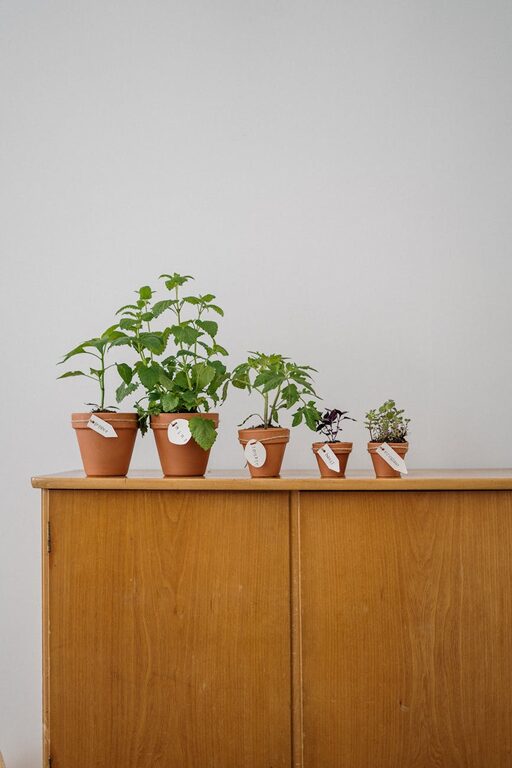
Growing your own herbs indoors is a wonderful way to add fresh flavors to your cooking while brightening up your living space. Whether you have a large kitchen window or just a small corner with some natural light, starting a small herb garden indoors is achievable for anyone. In this guide, we’ll walk you through everything you need to know—from picking the right herbs to caring for your plants so they thrive all year round.
Why Grow Herbs Indoors?
Indoor herb gardens offer several benefits:
– Freshness: Cut herbs whenever you need them for cooking.
– Convenience: No need to run to the store or worry about herbs wilting.
– Aesthetics: Green plants add beauty and life to your home.
– Well-being: Gardening indoors can be relaxing and improve air quality.
Even if you don’t have a backyard or outdoor space, growing herbs on a windowsill or countertop is a practical solution.
Choosing the Right Herbs for Indoor Growing
Not all herbs thrive indoors, so it’s best to select ones known for doing well inside:
– Basil: Loves warmth and sunlight.
– Mint: Hardy and grows quickly; can spread, so use separate pots.
– Parsley: Prefers moderate sunlight.
– Chives: Easy to grow, tolerates lower light.
– Thyme: Enjoys bright light and dry soil.
– Cilantro: Likes cooler temperatures and moderate sunlight.
– Oregano: Needs plenty of light and well-draining soil.
Start with 2-3 herbs that you cook with regularly or that appeal to you.
What You’ll Need to Start
Before planting, gather the necessary supplies:
– Containers: Small pots, planters, or even recycled containers with drainage holes.
– Potting Soil: Use high-quality, well-draining potting mix designed for indoor plants.
– Seeds or Starter Plants: You can start from seeds or buy young herb plants from a nursery.
– Watering Can: A small one with a narrow spout is ideal for indoor watering.
– Light Source: Natural sunlight or grow lights if natural light is insufficient.
– Spray Bottle: For occasional misting.
Step-by-Step Guide to Planting Your Indoor Herb Garden
1. Select the Location
Find a bright spot for your herbs. Most herbs require at least 4-6 hours of sunlight each day, ideally near a south or west-facing window.
2. Prepare the Containers
Make sure your pots have drainage holes to prevent waterlogging. Fill them with potting soil, leaving about an inch of space from the top.
3. Plant Seeds or Transplant Seedlings
– Seeds: Follow packet instructions for planting depth. Lightly cover seeds with soil and water gently.
– Seedlings: Gently loosen roots from their nursery pots and plant at the same depth in your new pots.
4. Water Sparingly but Consistently
After planting, water to moisten the soil without soaking it. Herbs prefer soil that is moist but not soggy. Check soil moisture regularly by feeling the top inch.
5. Provide Proper Lighting
If natural light is limited, consider investing in LED grow lights placed around 6-12 inches above plants, on a timer for 12-16 hours per day.
6. Maintain Temperature and Humidity
Most herbs prefer temperatures between 65–75°F (18–24°C). Avoid placing plants near drafts or heating vents. A spray bottle can help keep humidity levels suitable if the air is dry.
Caring for Your Indoor Herbs
Regular Watering
Water when the top inch of soil feels dry. Overwatering can cause root rot, so always ensure containers drain well.
Fertilizing
Use a balanced, water-soluble fertilizer every 4-6 weeks during the growing season. Dilute to half the recommended strength to avoid overfeeding.
Pruning and Harvesting
Regular trimming promotes bushier growth. Harvest leaves by pinching off the tips, but never remove more than one-third of the plant at a time.
Watch for Pests and Diseases
Indoor herbs can attract pests like aphids or spider mites. If you notice pests, rinse plants with water or use natural insecticidal soap.
Troubleshooting Common Problems
– Leggy Plants: Not enough light; move closer to windows or use grow lights.
– Yellow Leaves: Overwatering or poor drainage.
– Wilting: Underwatering or root problems.
– Slow Growth: Could benefit from fertilization or more light.
Expanding Your Indoor Herb Garden
As you gain confidence, consider adding more variety or larger containers. You can experiment with different herbs, create a vertical garden using wall-mounted pots, or even grow microgreens alongside herbs.
Conclusion
Starting a small herb garden indoors is a simple and rewarding project that anyone can enjoy, even with limited space. With the right selection of herbs, proper lighting, and consistent care, you’ll have a fresh supply of aromatic greens at your fingertips year-round. Plus, it’s a fun way to connect with nature and bring a bit of the outdoors inside your home.
Happy gardening!